
Attention-Deficit/Hyperactivity Disorder (ADHD) affects millions of adults, shaping not only their daily experiences but also the dynamics of their most intimate connections. As a neurodevelopmental condition characterized by patterns of inattention, impulsivity, and sometimes hyperactivity, ADHD extends far beyond childhood—it’s a lifelong condition that profoundly influences how individuals navigate relationships, manage responsibilities, and connect emotionally with those they love.
When you’re supporting a loved one with ADHD, you may find yourself facing unique challenges that test your patience, communication skills, and emotional resilience. Forgotten anniversaries, interrupted conversations, emotional intensity, and difficulties with follow-through can create friction even in the most loving partnerships. These patterns aren’t signs of indifference or carelessness; they’re manifestations of a neurological difference that requires understanding, accommodation, and compassion from both partners.
This guide exists to bridge the gap between confusion and clarity. Whether you’re newly learning about your partner’s ADHD diagnosis or have been navigating these waters for years, you’ll find practical advice, evidence-based coping strategies, and methods for providing emotional support that strengthen rather than strain your relationship. Building a healthy partnership with someone who has ADHD is absolutely possible—it simply requires a different approach, one grounded in education, empathy, and intentional communication.
Understanding ADHD and Its Impact on Relationships
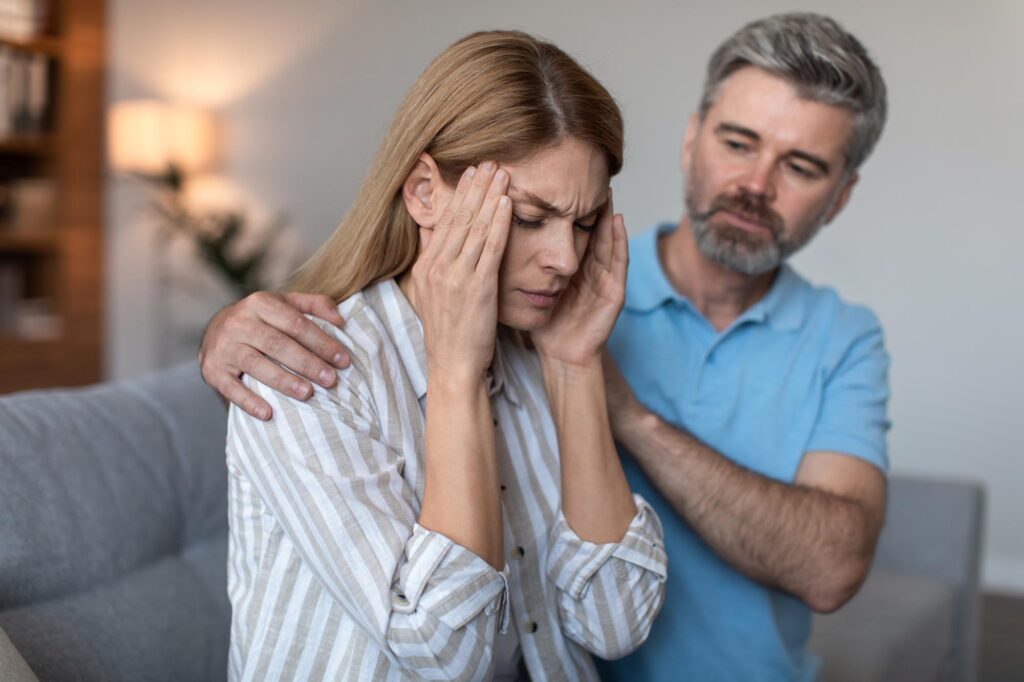
ADHD shows up in three main ways: trouble paying attention, acting without thinking, and being overly active. These symptoms don’t go away when someone starts dating—they become part of how the couple interacts. A partner with ADHD might forget important dates, interrupt conversations without meaning to, or have intense emotions that seem too strong for the situation.
The Impact of ADHD on Couples
This goes beyond just forgotten anniversaries or lost keys. Inattention can make one partner feel ignored during talks, while impulsivity might cause unexpected spending decisions that create conflict. Emotional dysregulation—a lesser-known but significant symptom of ADHD—can lead to what looks like overreactions, causing confusion and hurt for both partners.
Here are some examples of how ADHD can affect relationships:
- A partner with ADHD forgets to pick up groceries on the way home, leading to frustration for their significant other who was counting on them to do it.
- During a discussion about finances, the partner with ADHD struggles to stay focused and ends up zoning out or getting distracted by their phone.
- An argument arises when one partner feels overwhelmed by the emotional intensity displayed by the other due to ADHD-related emotional dysregulation.
Dispelling Harmful Myths
There are several misconceptions about ADHD that can put unnecessary pressure on relationships:
- ADHD is not laziness or a lack of caring—it’s a neurological difference affecting executive function
- Forgetting important information doesn’t reflect a partner’s love or commitment
- ADHD symptoms persist even when someone is motivated or trying their hardest
- Adults don’t “grow out of” ADHD, though symptoms may shift over time
These misunderstandings often lead non-ADHD partners to take personally behaviors that come from neurological differences instead of intentional choices.
How ADHD Reshapes Relationship Dynamics
Communication becomes particularly vulnerable when ADHD enters the picture. The partner with ADHD might struggle to maintain focus during serious conversations, leading to repeated discussions about the same issues. Household responsibilities often become imbalanced, not from unwillingness but from difficulties with task initiation, time management, and follow-through.
Building a Foundation of Understanding: Educating Both Partners About ADHD
Knowledge becomes the bridge between frustration and compassion when both partners commit to learning about ADHD together. This shared educational journey transforms the condition from a source of conflict into something you can address as a team. When you understand that your partner’s forgotten anniversary or interrupted conversations stem from neurological differences rather than carelessness, blame naturally gives way to problem-solving.
Evidence-based treatments offer multiple pathways to managing ADHD symptoms:
- Cognitive Behavioral Therapy (CBT) helps develop practical strategies for organization, time management, and emotional regulation
- Dialectical Behavior Therapy (DBT) strengthens skills in distress tolerance and interpersonal effectiveness
- Medication can significantly improve focus, impulse control, and emotional stability
- Lifestyle modifications including exercise, sleep hygiene, and nutrition support overall symptom management
The most transformative aspect of education involves recognizing ADHD as a persistent neurological condition, not a character flaw that appears only when convenient. Your partner with adhd doesn’t “turn off” their ADHD during important moments or “choose” when symptoms emerge. This 24/7 reality requires ongoing accommodations and adjustments from both of you.
When you both understand the continuous nature of ADHD, you can create systems that work with the condition rather than constantly fighting against it. This knowledge empowers you to design a relationship structure that honors both partners’ needs while respecting the genuine challenges ADHD presents.
Effective Communication Strategies for ADHD Couples
Communication patterns can make or break a relationship when ADHD is present. The way partners speak to each other directly influences emotional safety, trust, and connection. Certain communication habits—though often unintentional—create distance and resentment rather than understanding.
Avoiding Harmful Communication Patterns
When frustration builds, it’s easy to fall into destructive habits:
- Nagging transforms partners into authority figures rather than equals, triggering defensiveness and shame
- Verbal attacks during heated moments leave lasting emotional wounds that erode intimacy
- “Parenting” behaviors like reminding, checking up, or managing your partner’s responsibilities create an unhealthy power dynamic
These patterns stem from genuine concern but communicate lack of trust and respect.
Shifting Toward Connection
Healthy communication in ADHD relationships requires intentional practices:
- Focus on progress and effort rather than fixating on what went wrong—acknowledging attempts builds motivation
- Practice active listening by giving full attention during conversations, putting phones aside, and making eye contact
- Choose face-to-face discussions for important topics to minimize misinterpretation and distraction
- Use “I” statements to express feelings without blame: “I feel overwhelmed when…” instead of “You never…”
When conflicts arise, pause before responding. Ask clarifying questions instead of making assumptions about intentions. ADHD symptoms like forgetfulness or impulsivity aren’t personal attacks—they’re neurological differences requiring patience and collaborative problem-solving.
Understanding ADHD is the first step toward a healthier dynamic. Reach out to the specialists at Arya Therapy Center today for a confidential consultation.
Practical Tools and Routines to Manage ADHD Symptoms Together
The right systems can transform daily life for couples navigating ADHD. Structure provides a sense of predictability that helps manage symptoms while reducing friction between partners.
Building Routines That Work
Start with simple, consistent patterns rather than elaborate systems. Morning and evening routines benefit from visual checklists placed in high-traffic areas. A partner with ADHD might struggle with abstract time concepts, so anchoring tasks to specific activities (“after coffee” rather than “at 8 AM”) creates more reliable habits.
Leveraging Technology Thoughtfully
Digital tools serve as external memory systems that compensate for ADHD-related challenges:
- Shared calendar apps with automatic notifications prevent missed appointments and important dates
- Task management platforms like Todoist or Asana break large projects into manageable steps
- Location-based reminders trigger actions when someone arrives home or leaves work
- Medication reminder apps ensure consistent treatment adherence
Playing to Individual Strengths
Dividing responsibilities according to natural abilities creates equity without resentment. The partner with ADHD might excel at spontaneous problem-solving, creative projects, or high-energy tasks, while their partner handles detail-oriented planning or financial management. This approach honors each person’s contributions rather than forcing square pegs into round holes.
Regular check-ins about what’s working allow couples to adjust their systems as needs evolve, creating flexibility within structure.
Establishing Healthy Boundaries and Self-Care for Partners of Individuals with ADHD
Supporting a partner with ADHD requires tremendous emotional energy, and without clear boundaries, you risk depleting your own reserves. Boundaries aren’t walls that separate you—they’re guidelines that protect your relationship’s health and your individual well-being.
Defining Personal Boundaries
Defining personal boundaries means recognizing where your responsibility ends and your partner’s begins. You might establish that you won’t repeatedly remind them about appointments they’ve agreed to manage, or that certain times of day are reserved for your own activities without interruption. These limits communicate respect for both partners’ autonomy and prevent resentment from building when one person feels overburdened.
The Importance of Task Ownership
The non-ADHD partner often assumes a disproportionate share of household management, leading to what many describe as feeling like a parent rather than an equal partner. This dynamic erodes intimacy and breeds frustration on both sides. Setting boundaries around task ownership—even when your partner struggles with follow-through—preserves the adult-to-adult dynamic essential for romantic connection.
Prioritizing Self-Care
Self-care isn’t optional; it’s the foundation that allows you to show up as a supportive, patient partner. This might include:
- Maintaining friendships and hobbies independent of your relationship
- Attending therapy to process your own feelings about the challenges you face
- Taking breaks when conflicts escalate rather than pushing through exhaustion
- Saying no to additional responsibilities when you’re already stretched thin
Your emotional health directly impacts your capacity to navigate ADHD-related challenges with compassion rather than criticism.
Seeking Professional Guidance: Supporting Treatment for Your Partner with ADHD
Professional support can transform how couples navigate ADHD together. When you notice persistent challenges affecting your relationship’s quality, reaching out to mental health professionals offers both partners access to specialized strategies and evidence-based interventions.
Encouraging your partner with adhd to explore treatment options requires a delicate balance between advocacy and respect. Rather than insisting or demanding they seek help, share your observations about specific patterns you’ve noticed and express genuine concern for their well-being. Frame conversations around how treatment could enhance their quality of life, not just improve the relationship. Many adults with ADHD benefit from:
- Individual therapy focusing on executive function skills and emotional regulation
- Medication management to address core symptoms
- Couples therapy to develop relationship-specific coping mechanisms
- Coaching programs designed specifically for ADHD adults
Mental health professionals bring invaluable expertise to couples facing ADHD-related challenges. A clinician experienced in ADHD can help both partners understand how symptoms manifest uniquely in your relationship, distinguish between ADHD behaviors and relationship issues, and create personalized interventions that honor each person’s needs. They can also identify co-occurring conditions like anxiety or depression that may complicate the picture, ensuring comprehensive care that addresses the full scope of what you’re both experiencing.
Building a Strong Partnership Despite the Challenges of Supporting Someone with ADHD
Loving someone with ADHD asks you to embrace a different rhythm of relating—one that honors both partners’ needs while acknowledging the neurological differences at play. The foundation of this partnership rests on patience that extends beyond momentary frustrations to recognize that ADHD symptoms aren’t choices or character flaws.
Understanding ADHD
ADHD, or Attention-Deficit/Hyperactivity Disorder, is a neurological condition that affects how individuals focus, control impulses, and regulate their emotions. It’s important to remember that:
- ADHD symptoms are not intentional behaviors.
- Individuals with ADHD may struggle with tasks that require sustained attention.
- Emotional responses can be more intense and less regulated in those with ADHD.
The Role of Empathy
Empathy becomes your compass when navigating moments of forgetfulness, emotional intensity, or impulsivity. Rather than interpreting these experiences through a lens of personal offense, understanding the neurological basis of ADHD allows you to respond with compassion instead of criticism.
The Power of Communication
Clear communication remains your most powerful tool, creating pathways for both partners to express needs, frustrations, and appreciation without judgment. When paired with practical symptom management strategies—from shared calendars to structured routines—these conversations transform abstract intentions into tangible support.
Respecting Boundaries
Mutual respect anchors everything. This means honoring your partner’s autonomy in their treatment journey while also maintaining your own boundaries and well-being. The relationship thrives when both individuals feel valued for who they are, not despite their differences but because you’ve chosen to build something meaningful together.
Getting Help with Arya Therapy Center
Supporting a partner with ADHD becomes more manageable when you have access to specialized, evidence-based care. The Arya Therapy Center in Newton, MA offers comprehensive ADHD treatment programs designed specifically for adults navigating the complexities of attention, organization, and emotional regulation in their daily lives.
Our programs blend practical skill-building with therapeutic support, featuring:
- Skills-based group sessions focused on attention management and executive function
- Individual therapy tailored to your partner’s unique challenges
- CBT and mindfulness techniques for managing impulsivity and emotional balance
- Flexible half-day and evening schedules that accommodate work, school, and family commitments
Located conveniently for residents of Newton, Waltham, Watertown, Brookline, Cambridge, and Greater Boston, our programs provide the structure needed for meaningful progress without requiring a pause from daily responsibilities.
Whether your partner with adhd is seeking initial treatment or looking to enhance existing strategies, Arya Therapy Center offers the professional guidance and practical tools that make a difference. If you’re wondering about the first steps to take towards getting help for ADHD, we have a helpful guide on what to do next.
Ready to start this journey? Don’t hesitate to contact us today to learn how our personalized ADHD programs can support your journey toward a healthier, more connected partnership.
FAQs (Frequently Asked Questions)
What is ADHD and how does it affect romantic relationships?
ADHD, or Attention-Deficit/Hyperactivity Disorder, is a psychological disorder that impacts many adults. It manifests through symptoms like inattention, impulsivity, and emotional outbursts, which can influence communication, responsibilities, and emotional connections within romantic relationships. Understanding these effects is crucial for nurturing healthy partnerships.
How can couples build a foundation of understanding about ADHD together?
Couples can foster empathy and reduce blame by learning about ADHD together. This includes exploring evidence-based treatments such as therapy (CBT, DBT), medication, and lifestyle modifications. Education helps partners manage expectations and recognize ADHD as a 24/7 condition requiring accommodations.
What are effective communication strategies for couples dealing with ADHD?
Effective strategies include avoiding harmful patterns like nagging or verbal attacks, encouraging positive reinforcement focused on progress, practicing active listening through face-to-face conversations, and using clear, respectful language to navigate conflicts constructively.
What practical tools and routines can help manage ADHD symptoms in a relationship?
Creating structured routines that accommodate ADHD challenges without overwhelming either partner is key. Utilizing technology like scheduling apps and external reminders improves organization and follow-through. Dividing household or daily tasks according to each partner’s strengths helps balance responsibilities fairly.
Why is self-care important for partners of individuals with ADHD?
Defining personal boundaries protects emotional well-being and maintains respect within the relationship. Self-care practices for the non-ADHD partner are vital to prevent burnout and emotional exhaustion, ensuring they can support their loved one effectively while maintaining their own health.
What specialized ADHD treatment programs are available at Arya Therapy Center in Newton, MA?
Arya Therapy Center offers comprehensive ADHD treatment programs for adults that combine evidence-based therapies, skill-building group sessions, individual support, executive function training, mindfulness & CBT approaches, and education & coaching. Their flexible half-day options with evening hours accommodate busy professionals, parents, and students in the Greater Boston area.
Supporting your partner with adhd is a journey you don’t have to navigate alone. Contact Arya Therapy Center to discuss how couples therapy can provide the support you both need.