
If you get bad flying anxiety when you travel, you’re not being “dramatic.” You’re not weak. And you’re definitely not alone. Flying anxiety can look calm on the outside and feel unbearable on the inside. Maybe you start worrying days in advance. Maybe your body reacts before your mind can even catch up: tight chest, nausea, sweaty palms, racing thoughts, an urgent need to escape. For some people, it’s a fear of crashing. For others, it’s the feeling of being trapped, the loss of control, turbulence, panic symptoms, or even the vulnerability of being far from home.
At Arya Therapy Center in Newton, MA, we work with high-achieving adults, caregivers, and professionals across Greater Boston who have learned to power through anxiety in many areas of life, yet feel completely undone by planes. The good news is that flight anxiety is treatable. With the right support and tools, most people can fly with dramatically less distress, and some even get to a place of genuine ease.
This article will walk you through what flight anxiety is, why it happens, and how to get meaningful help that actually lasts.
What “Bad Anxiety for Flying” Can Really Mean
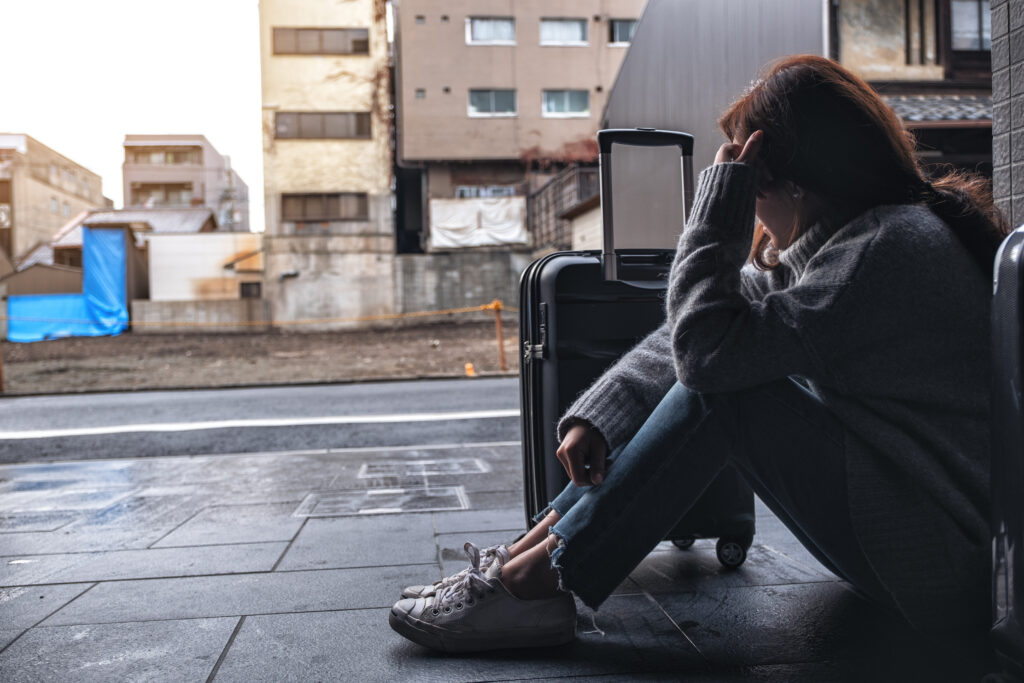
People often use “fear of flying” as a shorthand, but there are a few different experiences that can sit underneath it. Knowing which one fits you helps us choose the right treatment.
1) Panic attacks triggered by flying
You may not be afraid of planes in theory, but your body reacts as if you’re in danger. Panic can spike during boarding, takeoff, turbulence, or anytime you notice a sensation like dizziness or a faster heartbeat.
2) Claustrophobia and feeling trapped
For some, the hardest part is being confined, unable to step outside, move freely, or leave when you want. This can overlap with panic and can be intensified by crowded aisles, closed doors, or sitting in a middle seat.
3) Fear of losing control
Flying requires surrendering control to systems you can’t influence: pilots, weather, air traffic control, mechanical factors. If you’re a capable, responsible person who manages a lot, that lack of control can feel uniquely activating.
4) Health anxiety in the air
Some people fear having a medical emergency on a plane, fainting, vomiting, or not getting help in time. Others worry that panic symptoms themselves are dangerous.
5) Trauma-related triggers
A history of trauma can make the body hypervigilant to sensations, movement, or environments that feel inescapable. Even if the trauma was unrelated to flying, the nervous system may interpret the plane as a “no-exit” setting and sound the alarm.
6) Generalized anxiety that latches onto flying
If you already live with chronic worry, flying can become the perfect target because it’s time-limited, high-stakes in your mind, and hard to avoid if you need to travel.
You don’t need a perfect label for what you’re feeling. What matters is that your experience makes sense, and it can be approached with precision and care.
Why Flying Anxiety Feels So Intense (Even When You “Know” It’s Safe)
Many of our clients say something like: “I know it’s safe, but my body doesn’t believe me.”
That’s a very accurate description of how anxiety works.
When your brain perceives threat, it activates the sympathetic nervous system: fight, flight, freeze. Your body prepares for danger by speeding up your heart rate, shifting your breathing, tightening muscles, sharpening attention, and scanning for exits.
On a plane, several things can intensify that response:
- The sensations of takeoff feel like danger: acceleration, engine noise, the angle of ascent.
- Turbulence feels like instability: even when it’s normal air movement, your body reads it as loss of safety.
- You can’t “fix” the situation: the lack of control increases alarm.
- You can’t easily escape: feeling trapped is gasoline on the anxiety fire.
- Anxiety misinterprets anxiety: a flutter in your chest becomes “something’s wrong,” which creates more panic, which creates more symptoms.
In other words, your nervous system is doing its job, just in the wrong context, at the wrong volume.
Treatment isn’t about forcing yourself to “just relax.” It’s about helping your brain and body relearn what is safe through evidence-based skills, targeted exposure, and nervous system regulation.
How to Know if It’s Time to Get Help
Some flight nerves are normal. But we encourage you to seek support if any of these resonate:
- You avoid flying, even when it limits your life or career.
- You fly, but it takes days or weeks of dread beforehand.
- You use alcohol or medication in a way that worries you just to get through it.
- You experience panic attacks on planes or in airports.
- You feel ashamed, embarrassed, or alone with it.
- You “white-knuckle” every flight and feel depleted afterward.
- Your anxiety is spreading, such as avoiding bridges, tunnels, elevators, or crowded places.
If flying anxiety is costing you freedom, rest, or self-trust, it’s worth treating. You deserve support that’s as sophisticated as the life you’re trying to live.
What Actually Helps: Evidence-Based Treatment Options
At Arya Therapy Center, our work is discreet, structured, and individualized. We draw from modalities like CBT, DBT, EMDR, and somatic therapy, and we tailor treatment to your specific pattern.
Here’s what that can look like in practice.
CBT for Fear of Flying: Changing the Anxiety Cycle
Cognitive Behavioral Therapy (CBT) is one of the most researched approaches for anxiety. It focuses on the relationship between thoughts, feelings, behaviors, and body sensations.
With flying anxiety, CBT often includes:
Identifying the anxious storyline
Common thoughts include:
- “If I panic, I’ll lose control.”
- “Turbulence means the plane is going down.”
- “I’ll be trapped and humiliated.”
- “I won’t be able to breathe.”
- “If I feel dizzy, I’ll pass out.”
We don’t argue with you. We get curious about the pattern, the evidence, and what your mind is trying to prevent.
Working with safety behaviors that keep anxiety alive
Safety behaviors are things you do to reduce anxiety short-term that accidentally reinforce the fear long-term. Examples:
- Constantly checking flight statistics mid-flight
- Gripping the seat, holding your breath
- Avoiding turbulence forecasts obsessively
- Reassurance-seeking from a partner every few minutes
- Only flying under very specific conditions, like certain seats, times, or airlines
CBT helps reduce reliance on these behaviors so your nervous system can learn: “I can handle this.”
Skill-building for panic and body sensations
You learn to reinterpret sensations and respond differently, so a racing heart becomes “my adrenaline is up” instead of “I’m in danger.”
Exposure Therapy: Building Real Confidence (Not Forced Bravery)
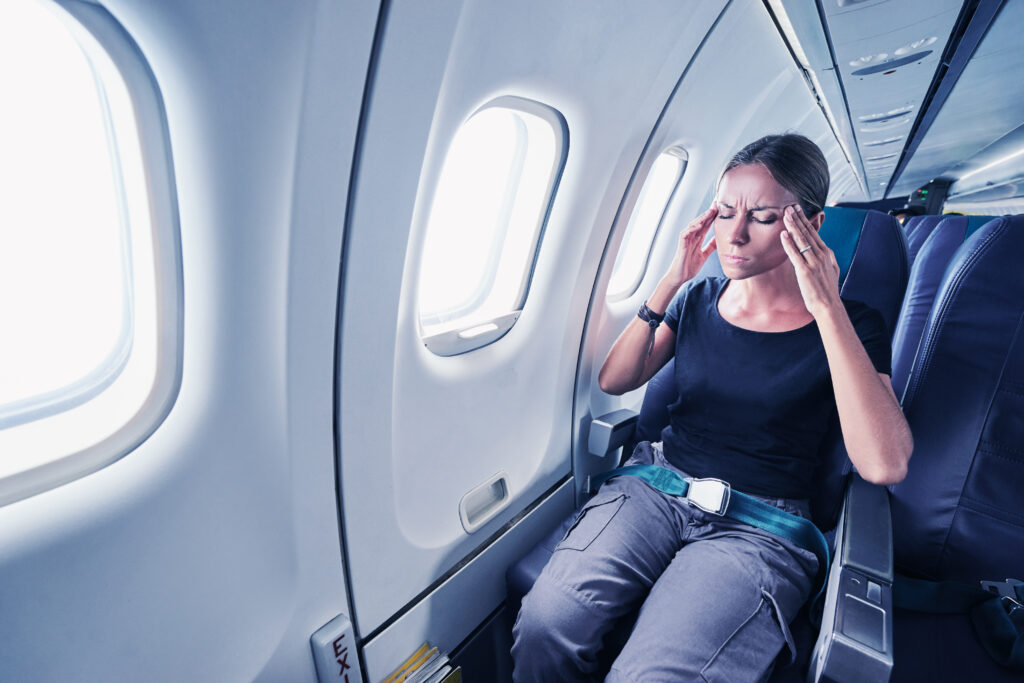
Avoidance is the most powerful fuel for fear of flying. Exposure therapy is the antidote, when it’s done thoughtfully and collaboratively.
Exposure doesn’t mean being thrown onto a plane before you’re ready. It means creating a step-by-step plan that helps your brain update its threat alarm through experience.
A gradual exposure plan might include:
- Watching videos of takeoff and landing while practicing regulation skills
- Sitting in a parked car with the doors locked briefly (for “trapped” sensations), then unlocking on your own terms
- Visiting the airport, walking through the terminal
- Listening to recorded engine sounds
- Simulating turbulence sensations with safe body-based exercises
- Taking a short flight with a plan, tools, and post-flight processing
We pace exposures carefully, so you feel challenged but not flooded. The goal is not perfection. The goal is learning: “I can feel anxiety and still stay with myself.”
DBT Skills for Flying Anxiety: When Emotions Feel Unmanageable
Dialectical Behavior Therapy (DBT) skills can be especially helpful when anxiety comes with strong physical distress, overwhelm, or shame.
Tools we often incorporate include:
- Distress tolerance skills for high-intensity moments (like takeoff)
- Emotion regulation to reduce vulnerability factors (sleep, stress, caffeine, hunger)
- Mindfulness to stay grounded in what’s happening now, not catastrophic future images
- Interpersonal effectiveness if flying triggers conflict with partners or family (for example, feeling judged or pressured)
DBT can be a game changer for people who already “know the facts” but still feel hijacked by their nervous system.
Somatic Therapy: Helping Your Body Feel Safe Again
Flying anxiety is often stored in the body. Somatic approaches help you work directly with the physiological loop that drives panic.
This can include:
- Tracking sensations with curiosity rather than fear
- Practicing grounding and orientation skills (teaching the body to locate safety)
- Titration, which means touching into anxiety in small doses and returning to regulation
- Breath practices that avoid over-breathing and reduce panic escalation
- Muscle release and posture shifts that signal safety to the nervous system
For many high-achieving adults, this is a relief. You don’t have to “think” your way out of anxiety. You can train your body back into steadiness.
EMDR for Fear of Flying: When It’s Connected to Trauma or a Specific Memory
If your flying anxiety is linked to a distressing flight, a panic episode, or earlier trauma that your body associates with being trapped or unsafe, EMDR can be a powerful option.
EMDR (Eye Movement Desensitization and Reprocessing) helps the brain process unintegrated memories so they stop triggering intense present-day reactions. In the context of flying anxiety, we might target:
- A past panic attack on a plane
- A frightening turbulence incident
- Medical trauma, like a time you felt you couldn’t breathe
- Earlier experiences of being trapped, powerless, or out of control
People often find that after processing, the trigger remains a memory rather than a current threat.
Practical Tools You Can Use Before and During a Flight (That Don’t Make Things Worse)
While therapy is the long-term solution, you also deserve tools for the next flight on your calendar. Here are a few options we often recommend, depending on your anxiety pattern.
Before the flight: reduce vulnerability
- Prioritize sleep the night before if possible.
- Eat something steadying, even if small. Low blood sugar can mimic panic.
- Limit caffeine and stimulants, especially if you’re panic-prone.
- Build extra time into your airport arrival so you’re not starting in stress.
Name the pattern
A simple script can help:
- “My anxiety is showing up. It’s uncomfortable, not dangerous.”
- “My body is preparing for threat, but I’m safe enough in this moment.”
- “This sensation can rise and fall without me fixing it.”
Use “anchoring” instead of bracing
Bracing against anxiety often escalates it. Anchoring helps you stay connected.
Try:
- Pressing your feet into the floor and noticing the contact points
- Holding something cool in your hand
- Gently engaging your leg muscles for a few seconds, then releasing
- Orienting: slowly looking around and naming neutral details (colors, shapes, signage)
Work with breath carefully
If you tend to hyperventilate, “take a deep breath” can backfire.
Instead, try:
- A slightly longer exhale than inhale
- Breathing low and slow, without forcing depth
- Counting exhale length to keep it steady
Plan for turbulence
Turbulence is one of the most common triggers. A helpful reframe is: turbulence is uncomfortable movement, not danger.
Practical strategies:
- Keep your body loose rather than rigid
- Put your head back and support your neck
- Focus your eyes on a stable point
- Remind yourself: “The plane is built for this. My body just hates the sensation.”
After the flight: consolidate the win
Anxiety tends to discount progress. We encourage you to do a brief debrief:
- What did I expect would happen?
- What actually happened?
- What did I do that helped, even a little?
- What do I want to practice next time?
This is how confidence becomes real.
What if I Need to Fly Soon and I’m Already Panicking About It?
If you have an upcoming flight, we can work in a focused, practical way. In therapy, that might look like:
- Building a personalized coping plan for each phase (home, airport, boarding, takeoff, mid-flight, landing)
- Practicing targeted exposures between sessions
- Identifying your specific triggers and safety behaviors
- Strengthening regulation skills so you feel more in control of your body
- If trauma is involved, doing careful trauma-informed work so the flight is not retraumatizing
You do not need months of treatment to see improvement, though longer-term work can create deeper change. Even a few focused sessions can help you feel more prepared and less alone with it.
A Note About Medication (And Why Therapy Still Matters)
Some people explore medication support for flying, often through a prescribing clinician. That can be an appropriate part of care for some individuals, especially if panic is severe or travel is unavoidable.
At the same time, medication alone usually doesn’t retrain the fear network. Many people find that the most empowering path is combining symptom support (when needed) with therapy that addresses the root cycle so flying becomes manageable without relying on emergency measures.
If you’re unsure what’s right for you, we can talk through options and coordinate thoughtfully with your broader care team when appropriate.
You Deserve More Than “White-Knuckling” Your Way Through Life
For many high-functioning people, flying anxiety is one of the last places where they feel truly out of control. That can bring a particular kind of shame: “Why can I handle everything else but not this?”
We want you to hear this clearly: your nervous system is not a moral failing. It is adaptive, responsive, and capable of learning. With evidence-based treatment, your relationship with flying can change.
You can get on a plane without dread swallowing the week before. You can sit through turbulence without feeling like you’re coming apart. You can travel for work, for family, for joy, and feel more like yourself while you do it.
How Arya Therapy Center Helps You Conquering Flying Anxiety
At Arya Therapy Center in Newton, MA, we understand that for high-achieving professionals and busy caregivers in Greater Boston, flying anxiety isn’t just a “fear”—it’s a logistical and emotional barrier to the life you want to lead. Our boutique clinical practice is designed to offer discreet, sophisticated, and evidence-based interventions that go beyond basic relaxation tips.
We offer two primary pathways for those seeking to overcome their flight-related distress:
1. Personalized Outpatient Mental Health Treatment
For many of our clients, a flexible outpatient schedule is the best fit. This allows you to work on your flying anxiety while maintaining your career and family commitments.
- Targeted Individual Therapy: Work one-on-one with a specialist using CBT to dismantle catastrophic thoughts about air travel or EMDR to process a previous traumatic flight experience.
- Sophisticated Medication Management: If “white-knuckling” is currently your only option, our psychiatrists can provide professional oversight for psychiatric medications to help bridge the gap as you build your long-term coping skills.
- Boutique Experience: We offer a safe, professional setting in Newton that fosters growth without judgment, providing a “coaching-style” integration that respects your professional status.
2. Structured Psychiatric Day Treatment
If your anxiety has reached a point where you are completely avoiding travel or experiencing debilitating panic attacks that affect your daily functioning, our Psychiatric Day Treatment offers a more immersive approach.
- Intensive Daily Support: Receive multiple sessions per day, combining Exposure Therapy with Mindfulness-Based Stress Reduction (MBSR) to rapidly retrain your nervous system.
- Nervous System Regulation: We integrate life skills training and somatic grounding techniques that teach your body—not just your mind—how to locate safety even when you are 30,000 feet in the air.
- Comprehensive Care: This program acts as a powerful “bridge,” helping you develop a robust toolkit of breathing and relaxation strategies in a highly supportive environment.
Why Professionals in Newton Choose Arya
We specialize in care plans for executives, entrepreneurs, and high-performing adults who need a treatment center that understands their specific lifestyle. With flexible morning, evening, and telehealth appointments, we ensure that getting help for your flying anxiety is as seamless as possible.
Whether you need to fly for an international board meeting or a bucket-list family vacation, our experienced clinicians are dedicated to helping you move from a state of panic to a place of genuine ease. Contact us today to get started.
FAQs (Frequently Asked Questions)
What are common symptoms of bad anxiety when flying?
Bad anxiety during flying can manifest as a tight chest, nausea, sweaty palms, racing thoughts, panic symptoms, and an urgent need to escape. People may also experience worry days in advance or feel intense fear related to crashing, feeling trapped, loss of control, turbulence, or vulnerability.
What different types of flight anxiety exist?
Flight anxiety can include panic attacks triggered by flying, claustrophobia and feeling trapped on the plane, fear of losing control due to reliance on pilots and systems, health anxiety about medical emergencies in flight, trauma-related triggers linked to past experiences, and generalized anxiety that targets flying as a high-stakes situation.
Why does flying anxiety feel so intense even though flying is safe?
Flying anxiety feels intense because the brain perceives threat and activates the sympathetic nervous system causing fight, flight, or freeze responses. Sensations like takeoff acceleration or turbulence are misinterpreted as danger. The inability to control the situation or escape intensifies alarm. Anxiety symptoms can feed on themselves creating a cycle that makes the body react strongly despite knowing flying is safe.
When should I consider seeking professional help for my flight anxiety?
You should seek help if you avoid flying limiting your life or career; experience dread days before a flight; rely on alcohol or medication to cope; have panic attacks on planes or airports; feel ashamed or alone with your anxiety; ‘white-knuckle’ every flight and feel depleted afterward; or notice your anxiety spreading to other situations like bridges or crowded places.
What evidence-based treatments are effective for fear of flying?
Effective treatments include Cognitive Behavioral Therapy (CBT), Dialectical Behavior Therapy (DBT), Eye Movement Desensitization and Reprocessing (EMDR), and somatic therapy. These approaches focus on changing anxious thought patterns, regulating the nervous system, targeted exposure to feared situations, and addressing trauma-related triggers tailored to individual needs.
How does Arya Therapy Center support adults with flight anxiety?
Arya Therapy Center in Newton, MA offers discreet, structured, and individualized treatment for high-achieving adults and professionals struggling with flight anxiety. They use evidence-based modalities like CBT, DBT, EMDR, and somatic therapy to help clients relearn safety cues in their brain and body, reduce distress during flights, and achieve genuine ease with air travel.